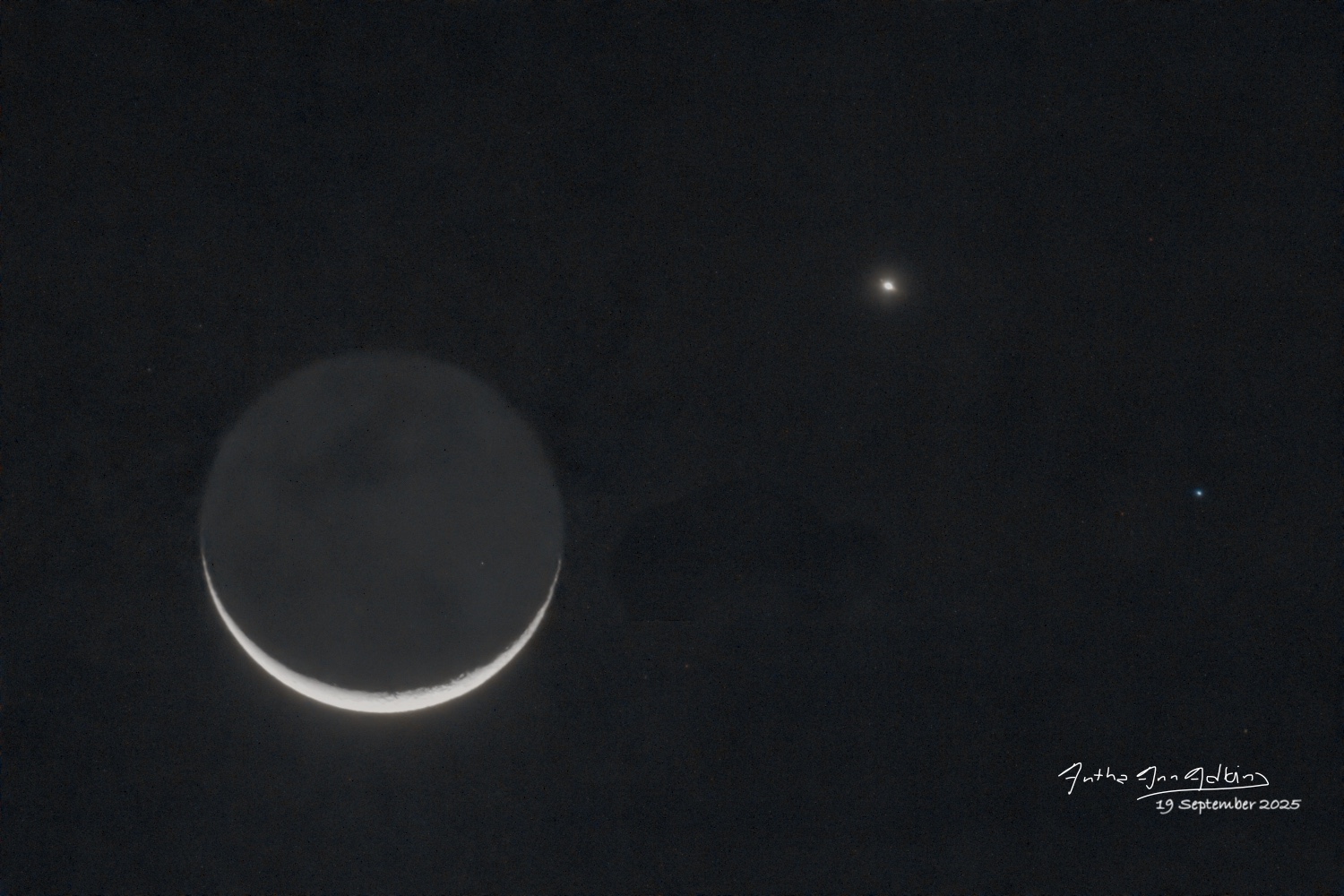
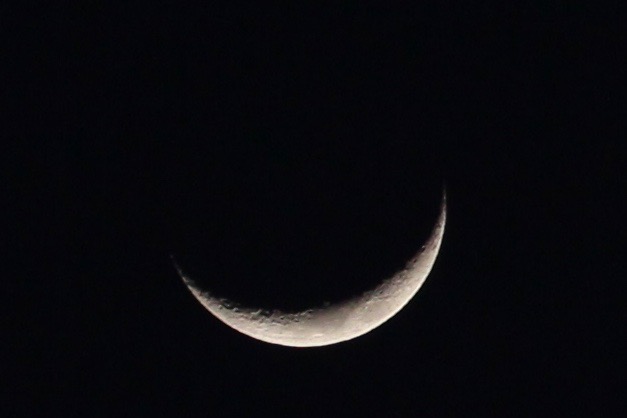
My tracking mount is now in the shop, so I thought I’d have to go without taking astrophotos for a while … but when I woke up early yesterday morning, my husband recommended I go outside and check out the conjunction of the crescent Moon, Venus, and the star Regulus. It was beautiful!
I got my old setup – my trusty Canon 60D and tripod and intervalometer/cable release and set up to take some pictures.
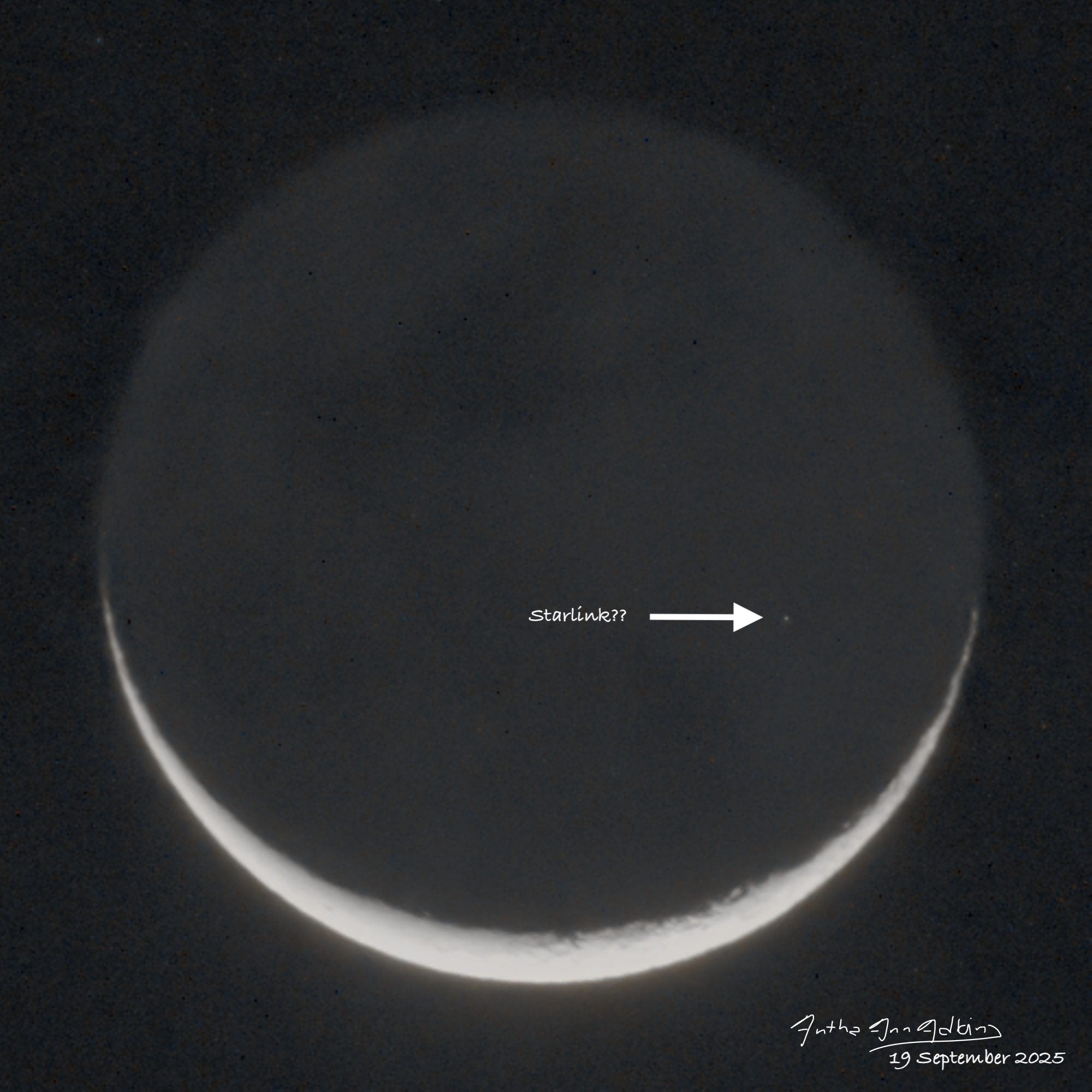
As I was focusing on the Moon and looking at camera view screen, I saw a satellite moving across the dark face of the Moon! How cool! Then I saw a second satellite moving across the dark face of the Moon in the same direction, which made me suspect I was seeing Starlink satellites.
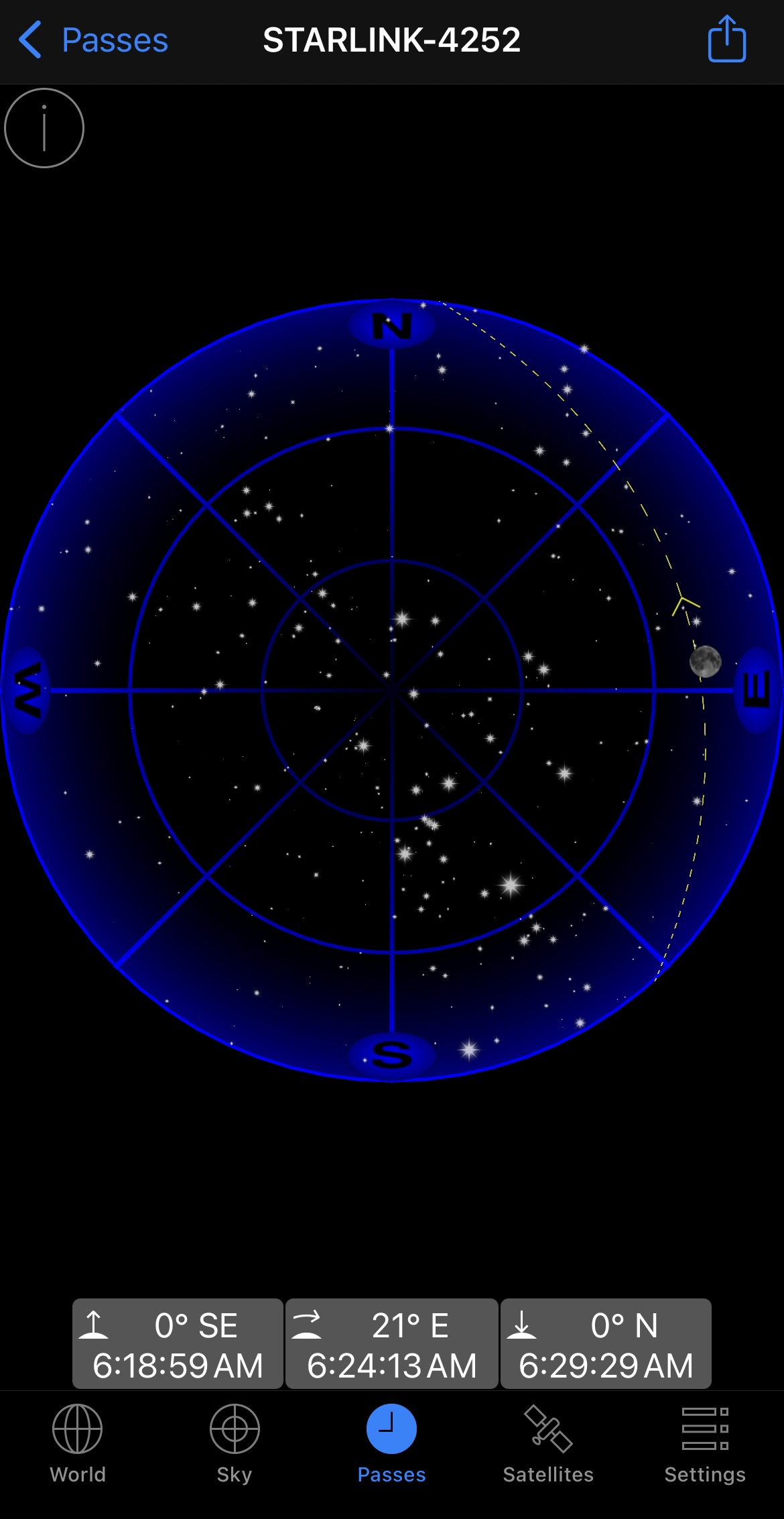
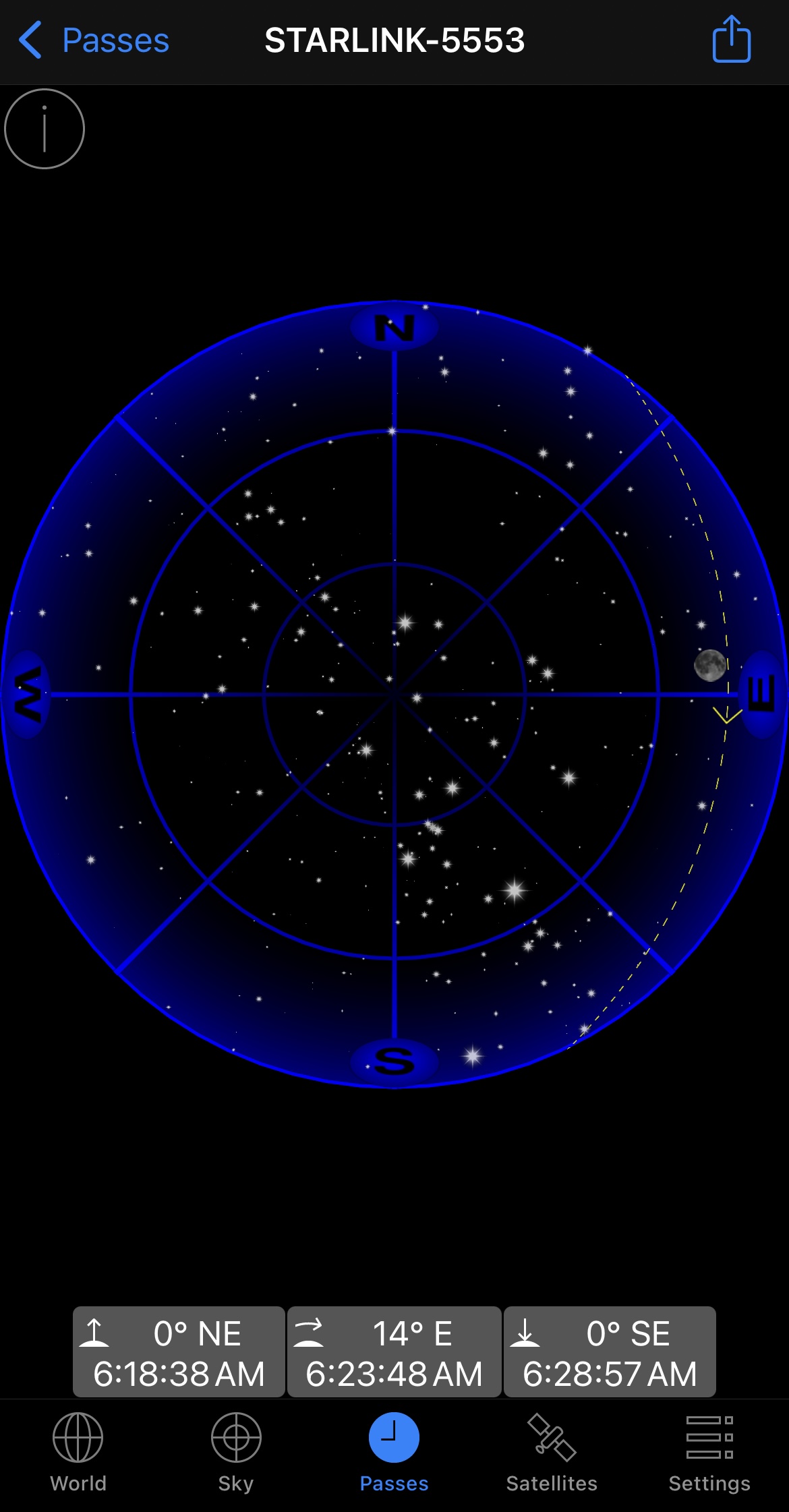
I processed the best image I took in PixInsight and discovered there was a bright spot on the face of the Moon. So I used the GoSatWatch app on my phone, set to 0 degrees horizon and no limit on magnitude to get all the satellites, and figured out which satellites crossed the face of the Moon when my picture was taken. There were a ton of Starlinks which made them the very high probability source. My time stamps are only good to the minute, and I don’t have the exact time the Starlinks crossed the moon although when they were high in the East was a good stand-in, but it looks like there were two potential Starlinks crossing the Moon around the time of my photo!
It was a pretty neat thing to see, and I think it would be fun to try to capture a bigger satellite (eg the International Space Station) crossing the Moon with my telescope after I get my tracking mount back. Something to look forward to!
Camera geek info:
Canon EOS 60D in manual mode set at f/4, 1/60 second exposure, ISO 1250
Canon EF 70-200mm f/4L USM lens, set at 200 mm, manual focus on lunar craters
I made a (time lapse) movie to try to capture the 2024 total solar eclipse we experienced in Granbury, Texas.
The movie doesn’t capture the planning and replanning needed to capture this event. Months ago, looking at the predicted weather, the weather across most of Texas was expected to be favorable for viewing the eclipse. I chose to stay in Temple, Texas which was within the band of totality, not too far from the centerline, and had a reasonably priced place for my husband, daughter, and I to stay. It turned out to be a great place to stay – we could pick up our daughter from an airport in Dallas and travel to Austin to see the Lady Bird Johnson Wildflower Center (which given the combination of the weekend, eclipse tourists, and peak wildflower season was quite crowded). Even along the side of the road, the bluebonnets were plentiful, so I got my iconic Texas bluebonnet picture on this eclipse trip.
By the night before the eclipse, it was clear that Temple was going to have a lot of cloud cover for eclipse day. We were rained on (twice) the last time we tried to see a total solar eclipse, and we did not want to repeat that experience! So I used the Astropheric app on my phone (with four different cloud cover models) to look south to Austin/San Antonio (did not look promising) and north to Dallas/Fort Worth (looked better), and I settled on going to Hillsboro, Texas (which had temporarily re-named itself Eclipseboro), which was an easy drive up I35 and right on the centerline.
But Monday morning when I got up, the cloud odds were not looking good for Hillsboro either. So I looked at the options again and decided to trade time in totality for better cloud odds and decided to drive northwest to Granbury, Texas. We picked up breakfast and started driving.
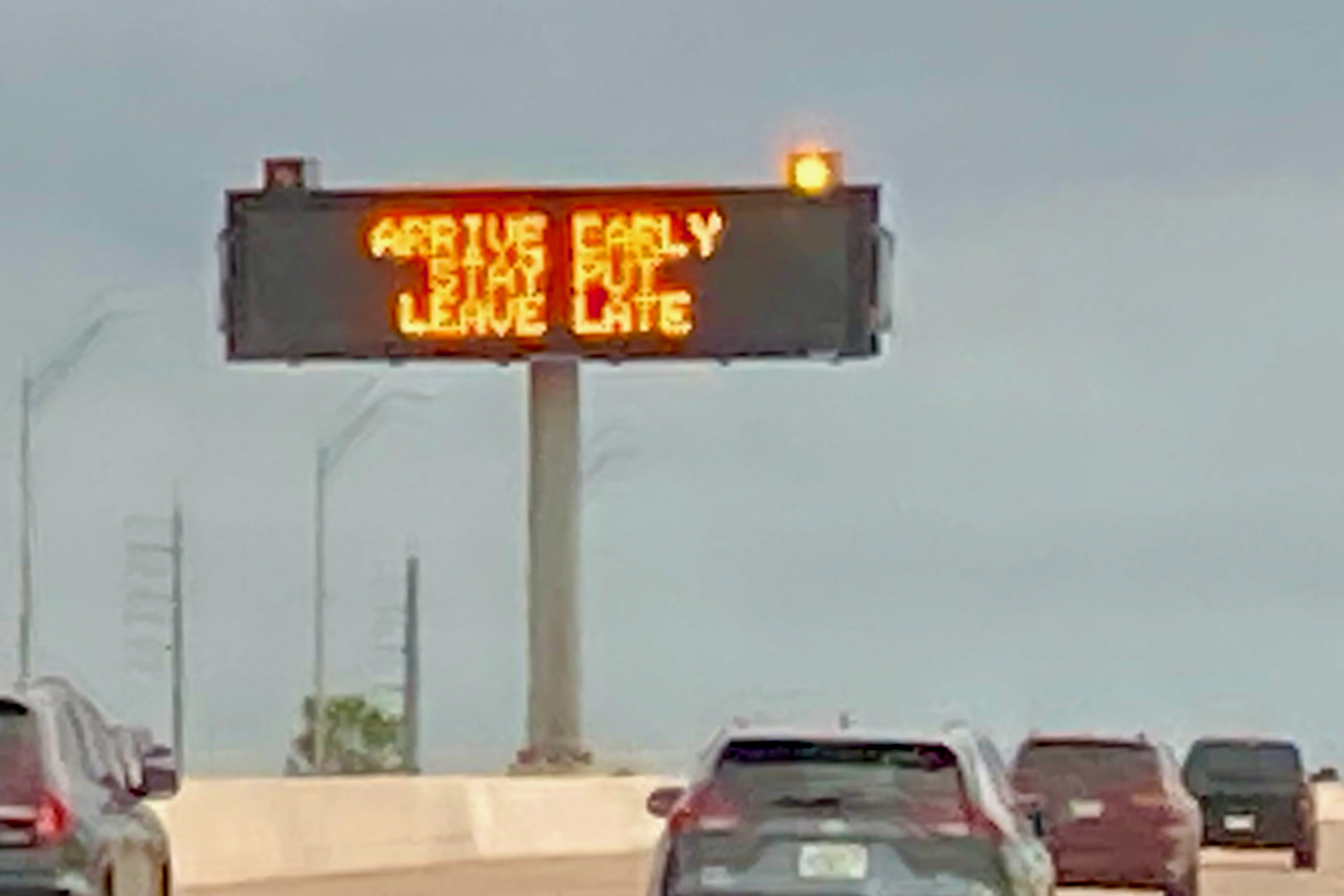
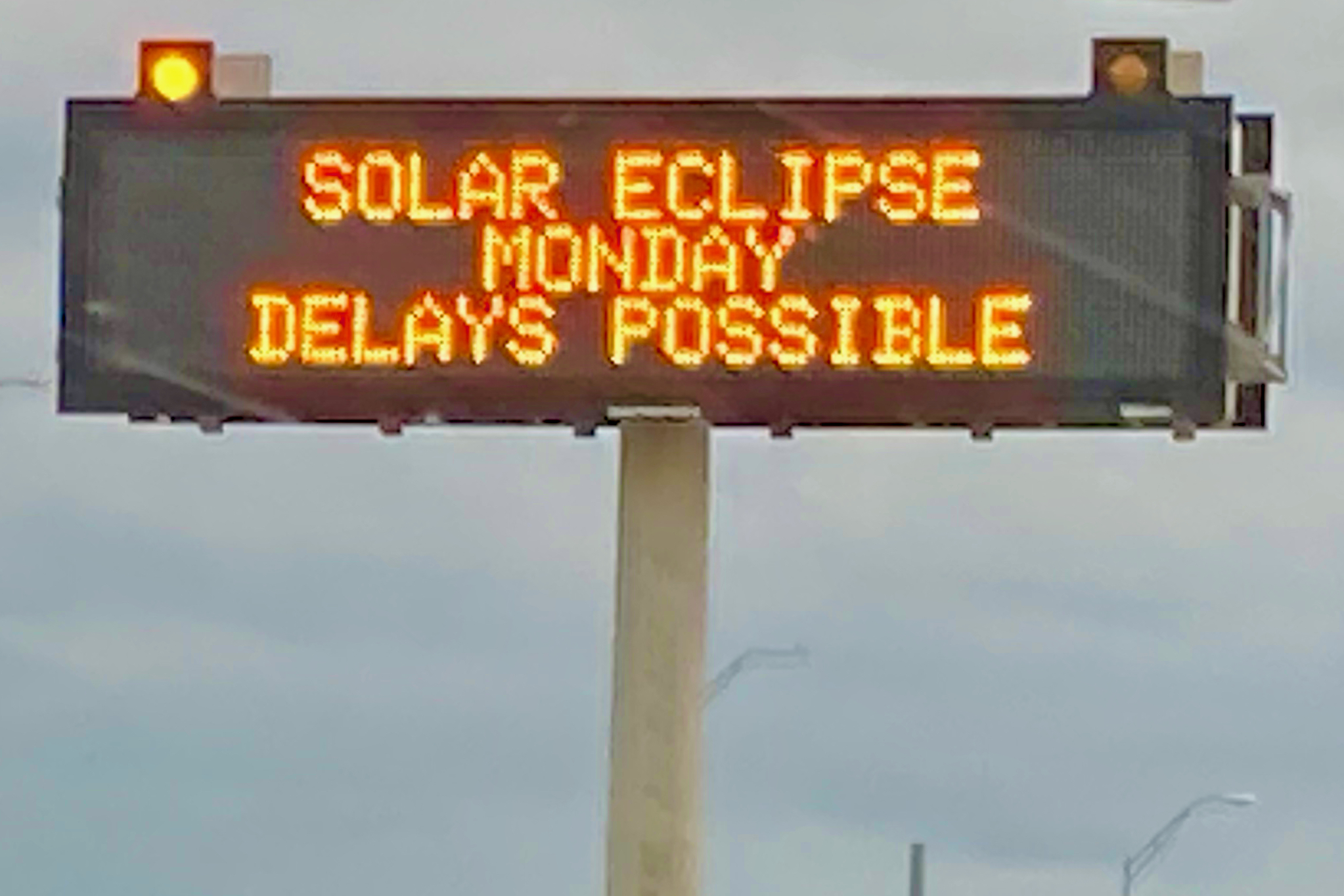
Some had predicted massive traffic, difficulty getting gas, and difficulty getting food. There were even road signs to warn of the upcoming traffic.
We didn’t experience any of that. No traffic, no difficulty getting gas, no difficulty getting food. And, best of all, we drove out from under the heavy clouds and saw the sun shining in a blue sky with white puffy clouds.
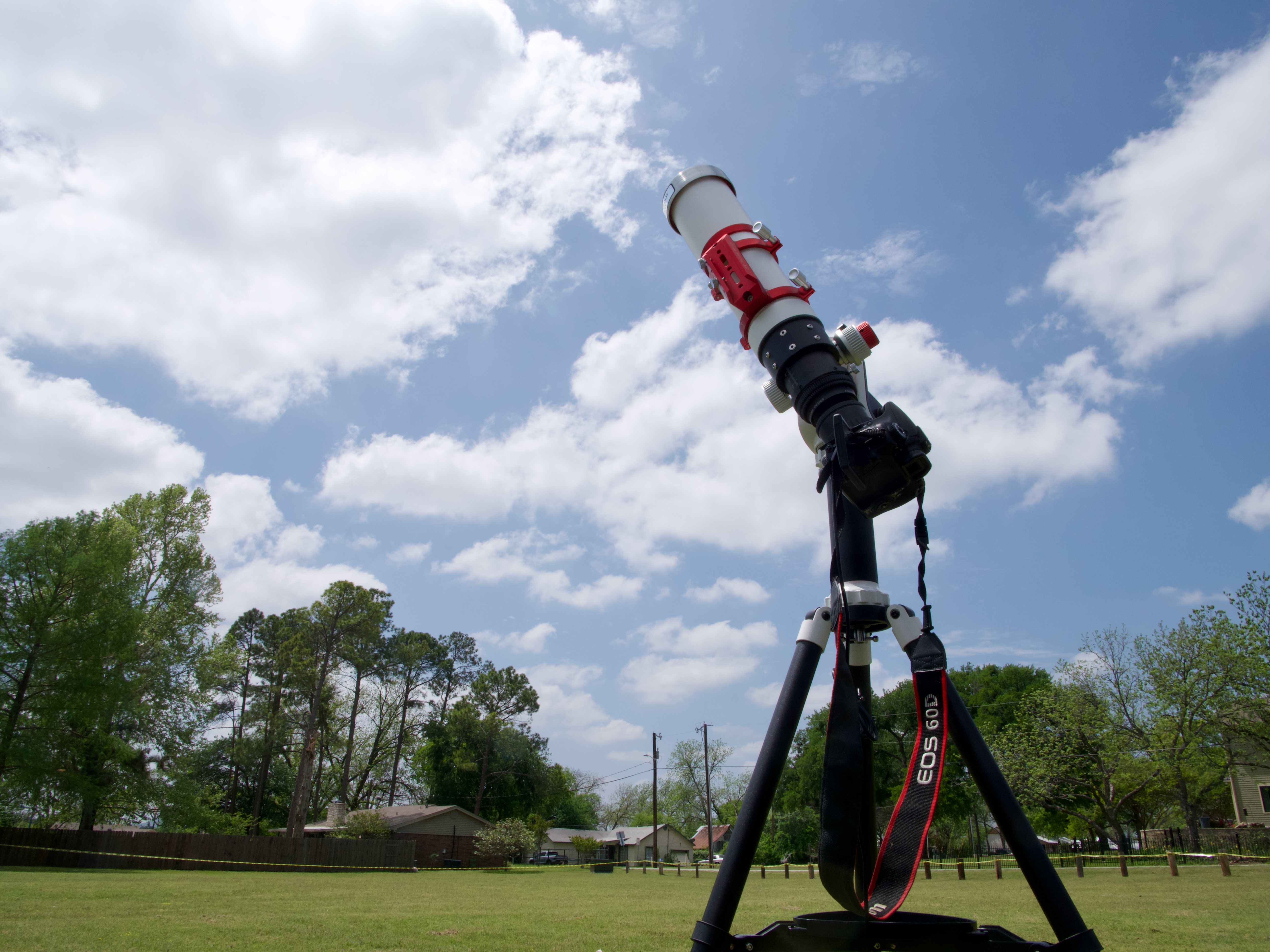
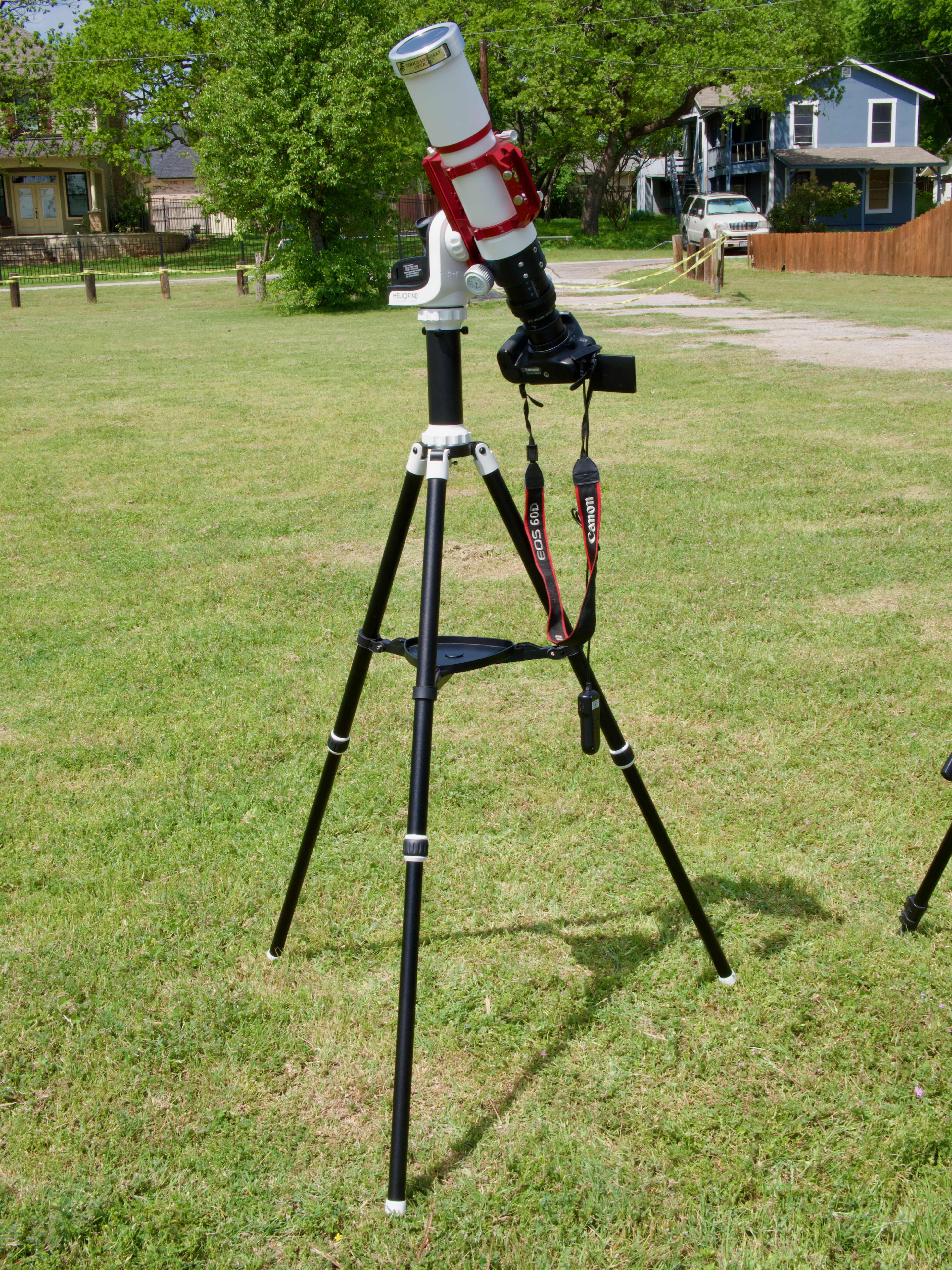
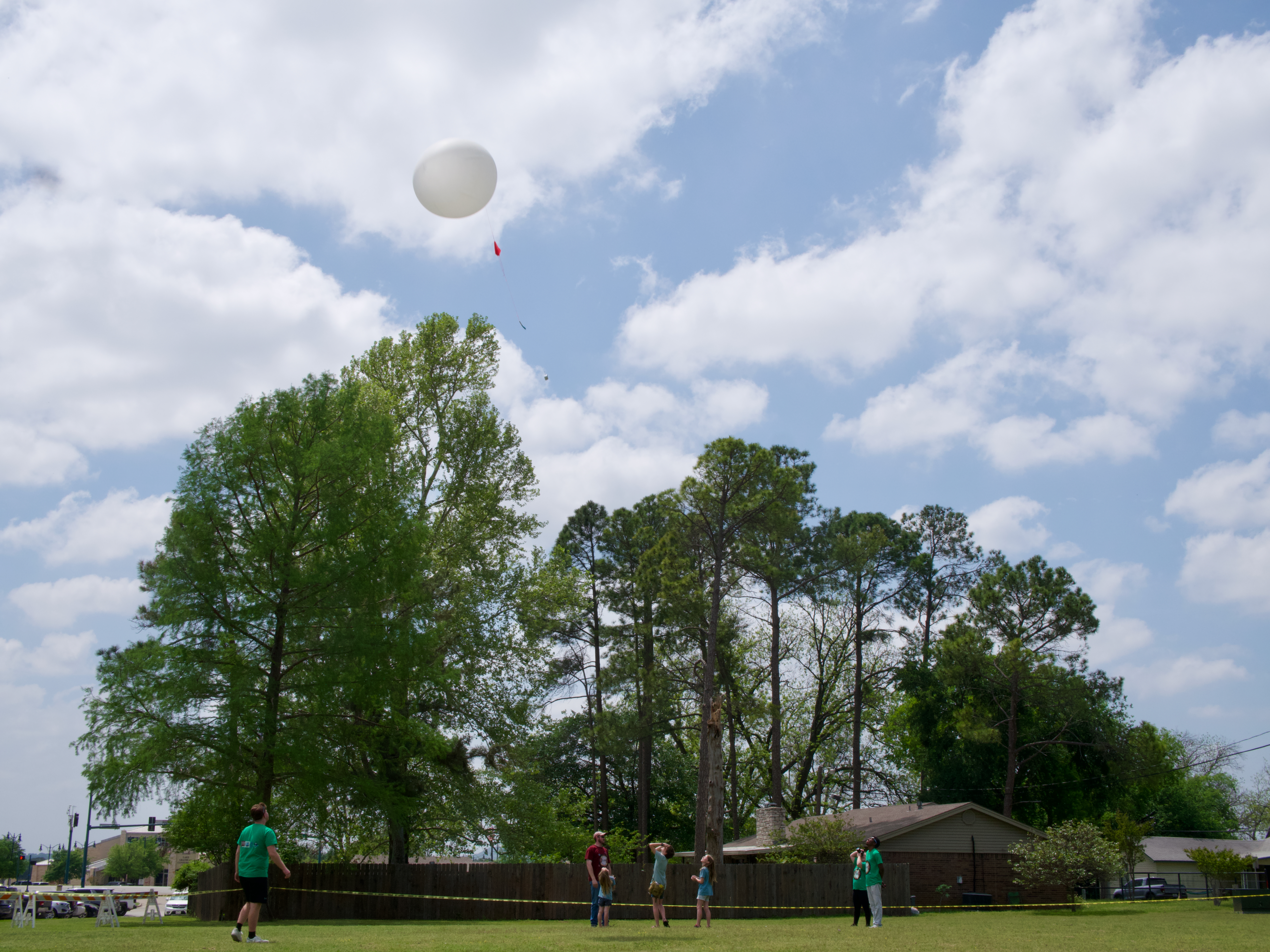
We decided to view the eclipse from Hewlett Park. A group from New Mexico State University were set up there, doing an experiment with weather balloons. They allowed us to set up at the periphery of their launch area. I got my telescope set up well in advance of the eclipse start, so I was able to capture a time lapse of the entire thing.
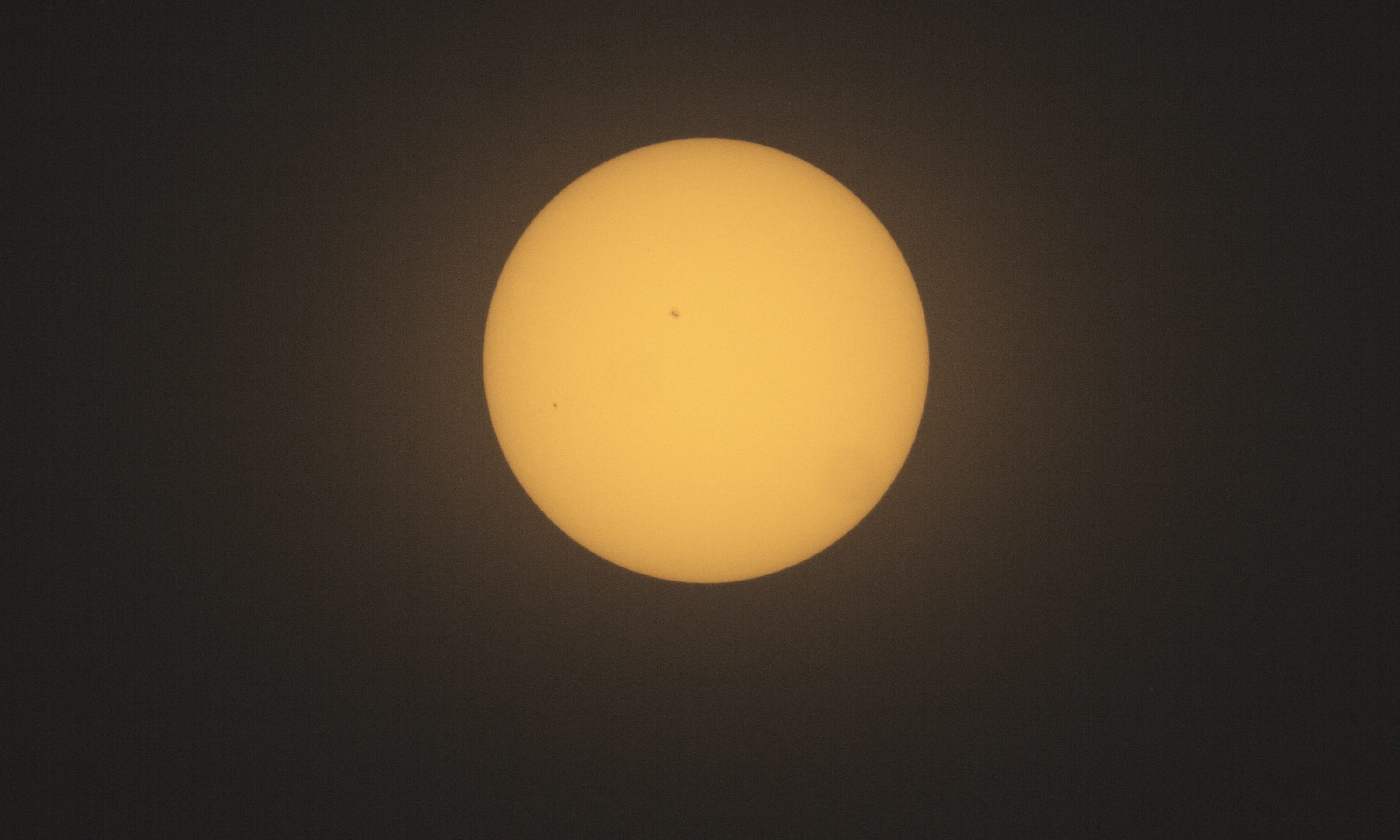
I was able to see sunspots and use them to focus my telescope. A few minutes before the eclipse, I started my intervalometer to capture a picture a minute.
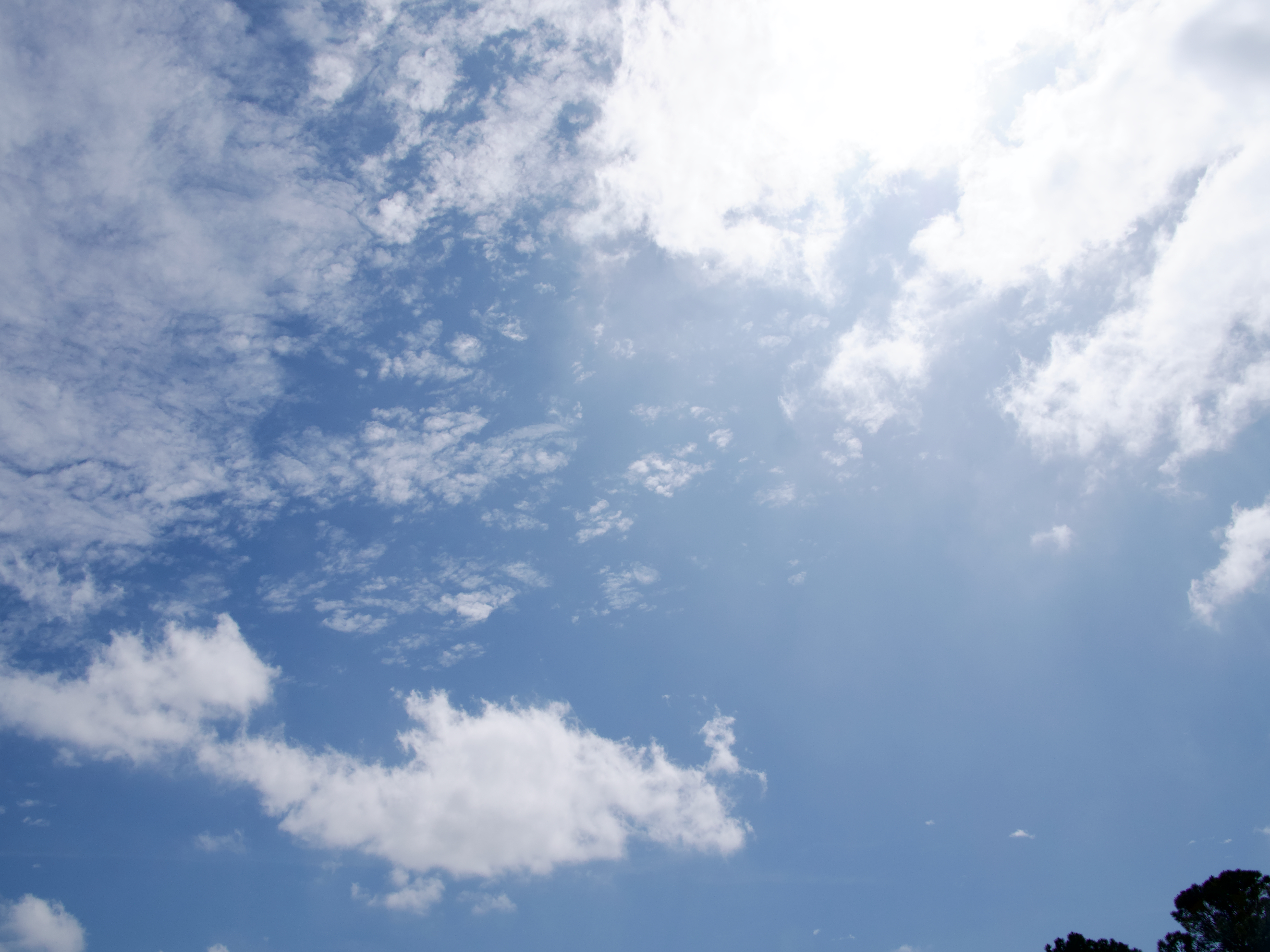
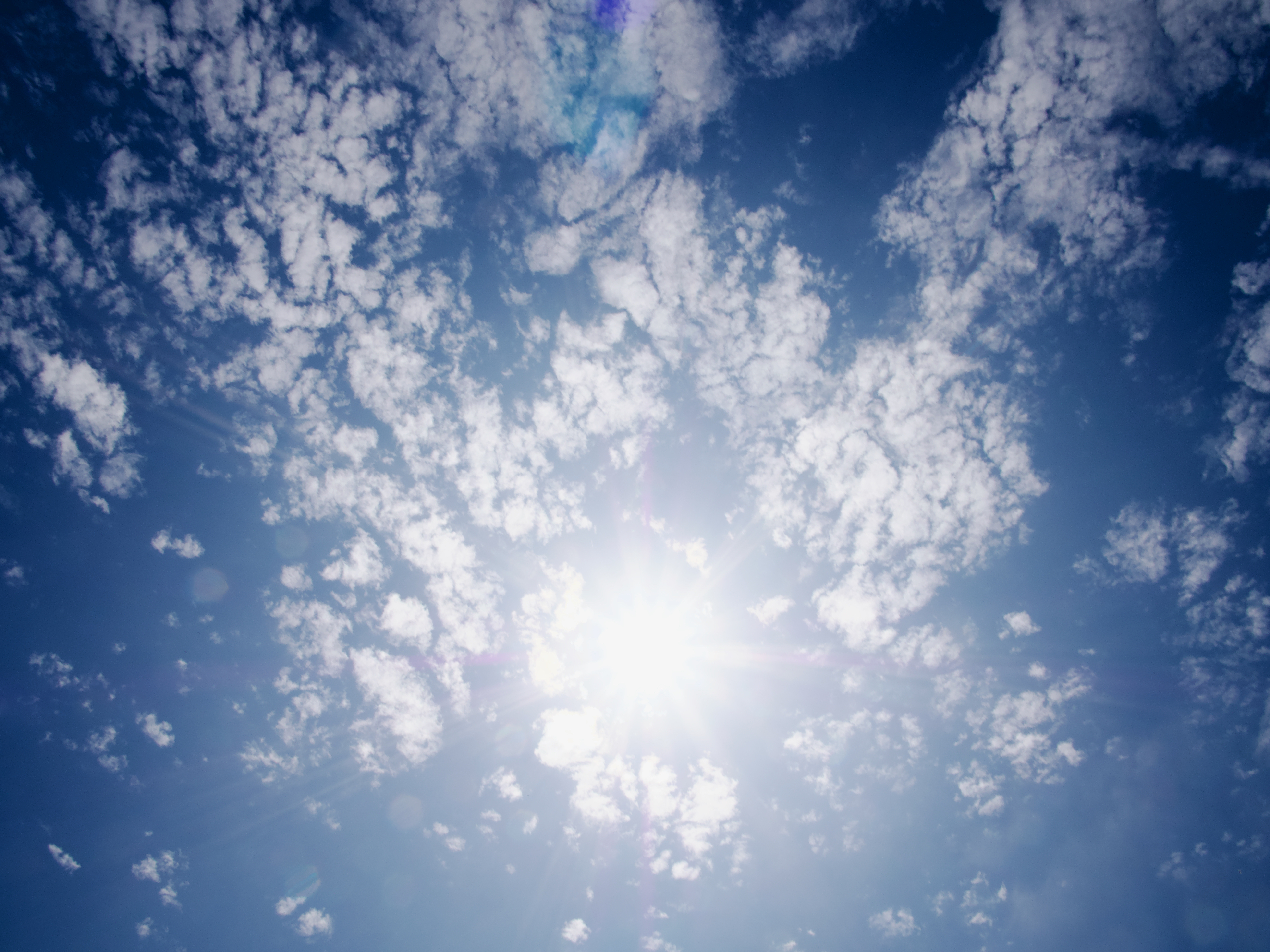
Once the time lapse started, we had some clouds pass in front of the sun, which was worrisome. But I had noticed in Astropheric that pretty much every prediction had shown fewer clouds during the actual eclipse. And a book I had bought on this trip, Totality: The Great North American Eclipse of 2024, by Mark LIttmann and Fred Espenak explained why. The Sun heats the Earth and pulls water from lakes and plants into the sky, where it cools and forms clouds. But when the Moon starts to block the Sun, this heating process stops, water stops being pulled up, and the clouds dissipate. This effect won’t help with the heavy cloud cover of a front, but does eliminate fluffy white clouds. And we saw the clouds dissipate and the sky grow clearer.
We also saw the folks from New Mexico State University release their weather balloons.
We walked around looking for cool crescent shadows, but didn’t spot any. Nor did we spot any changes in color.
But we did see it get really dark. The sign on the hotel across the street came on as did the streetlights.
I had wanted to take some wide angle pictures with my smaller camera, but I did not get it set up in time. When we reached totality, I decided not to mess with it and just enjoy the experience and take pictures with my telescope.
It was the weirdest alien sky I have ever seen. It was dark. But there was this elliptical bright white glowing spot in the sky, with a perfect black circle in the middle. I could see the two brightest planets – Venus and Jupiter – on either side. It. Was. Awesome.
I took the solar filter off my telescope, reaimed the solar tracking mount (either it lost track or I bumped it in my excitement), and manually took pictures.
I looked for the comet, but did not spot it.
I alternated between taking pictures and looking at the sky.
One of the things that I could see naked eye was a bright pink spot on the lower edge of the Moon. I thought maybe it was the diamond ring effect, but it lasted for too long. Later I found out it was a solar prominence. Amazing!
I saw the edge getting brighter and took a set of pictures to try to capture Bailey’s beads and the diamond ring effect – I got the diamond ring for sure.
When the picture got super bright, I put the solar filter back on the telescope and returned to letting it take a picture a minute.
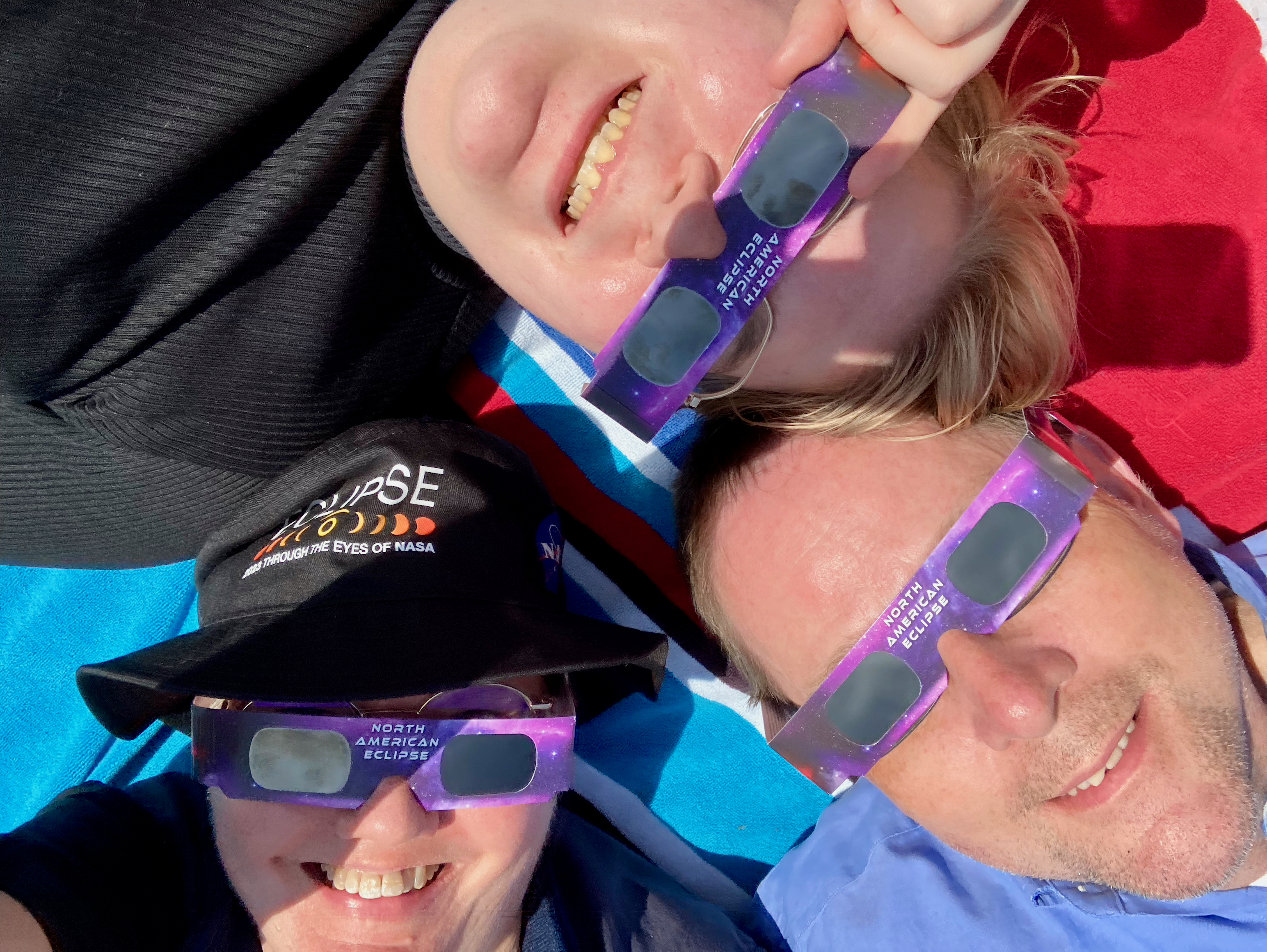
By now the clouds were gone, and we laid on our picnic blanket with our solar glasses and watched the Sun come back out.
We watched until the Sun had fully emerged from behind the Moon.
Friends, before this eclipse, I said that I would rather photograph an annular eclipse because it was a more exciting subject. I. Was. Wrong. There is nothing like a total solar eclipse.
And so I’m left asking: When can I see this again?
Stay tuned!!
Camera geek info for solar pictures:
Canon EOS 60D in manual mode, 1/200 second exposure, ISO 100
Intervalometer
Williams Optics Zenith Star 73 III APO telescope
Williams Optics Flat 73A
Thousand Oaks optical solar filter
Sky-Watcher SolarQuest HelioFind tracking mount and tripod
Camera geek info for corona pictures:
Canon EOS 60D in manual mode, 1/200 second exposure, ISO 100
Williams Optics Zenith Star 73 III APO telescope
Williams Optics Flat 73A
Sky-Watcher SolarQuest HelioFind tracking mount and tripod
One of the things that surprised and amazed me during totality of the solar eclipse was a bright pink spot on the lower edge of the Moon that I could see naked eye. At first, I thought maybe it was the diamond ring effect, but it was not – it was a solar prominence! And when I looked at my pictures, I discovered that it was one of several.
Solar prominences are loops of plasma that are anchored to the sun’s surface and extend out into the sun’s corona, following the local magnetic field. The plasma is made of electrically charged hydrogen and helium. Hot hydrogen emits red light, which is why they appear pink.
Since we are close to the maximum of the solar sunspot cycle (solar max is expected to occur within the next year), there happened to be a lot of prominences for this eclipse. So cool!
These pictures show the solar prominences during totality and the diamond ring effect where the sun emerges at the end of totality.
Camera geek info for corona pictures:
Canon EOS 60D in manual mode, 1/200 second exposure, ISO 100
Intervalometer
Williams Optics Zenith Star 73 III APO telescope
Williams Optics Flat 73A
Sky-Watcher SolarQuest HelioFind tracking mount and tripod
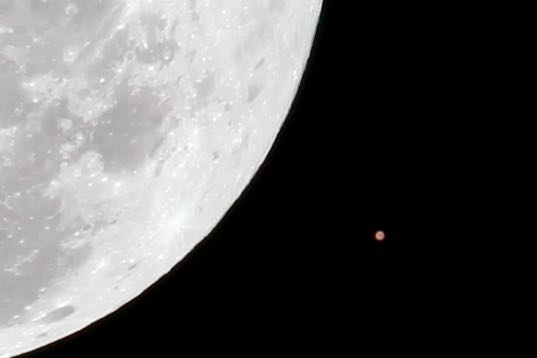
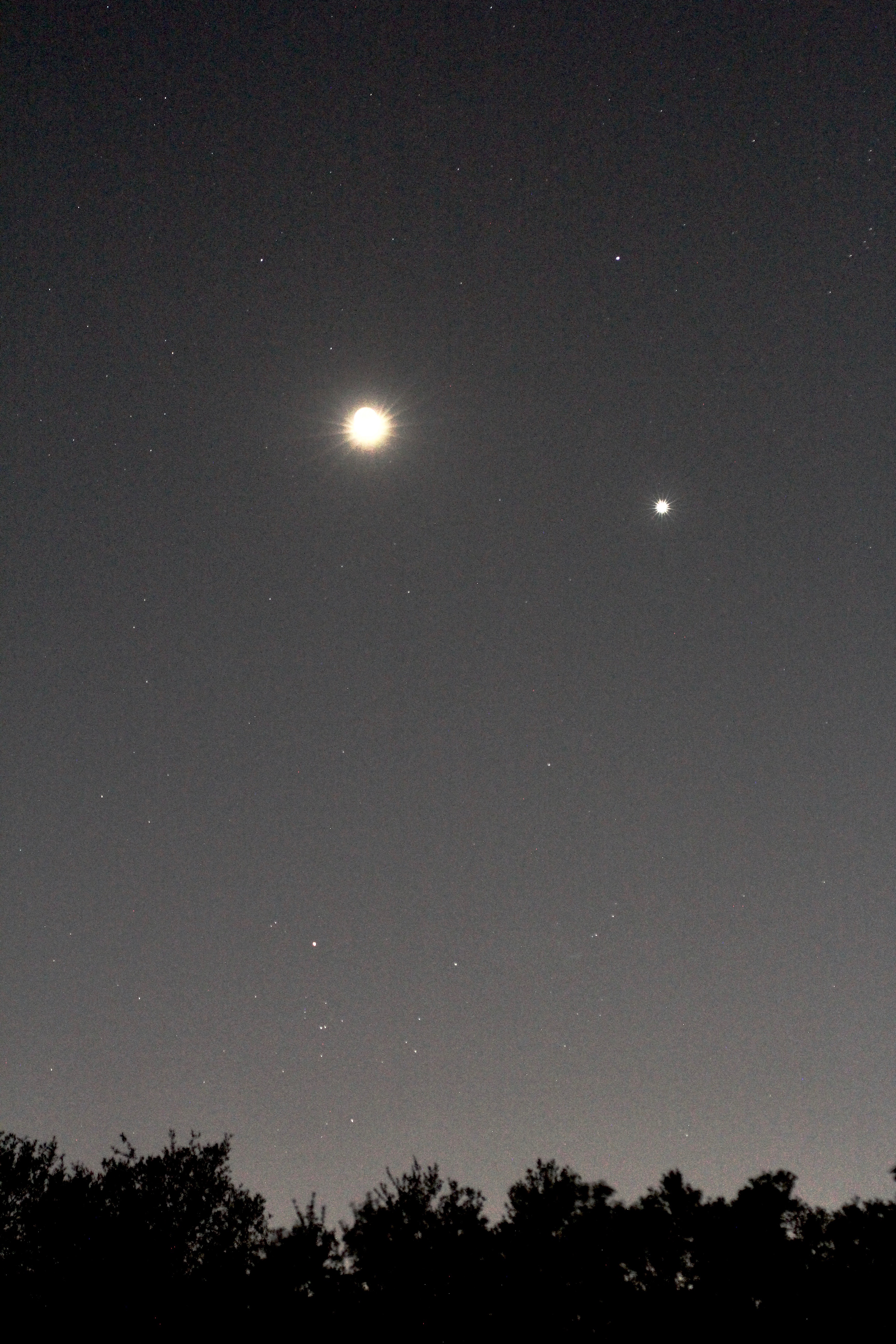
This week, in some parts of the country, the Moon occulted Mars (went between Mars and us). Down here in Texas, it did not, but the Moon did visually pass very, very close to Mars. It was partly cloudy here, but I was able to get a picture through the gaps. And I could see Mars next to the Moon even though the Moon was very close to full. I was surprised that I could get details in the lunar surface and Mars visible with the same settings. Mars looked red!
Camera geek info:
Canon EOS 60D in manual mode, 1/160 second exposure, ISO 100, auto white balance
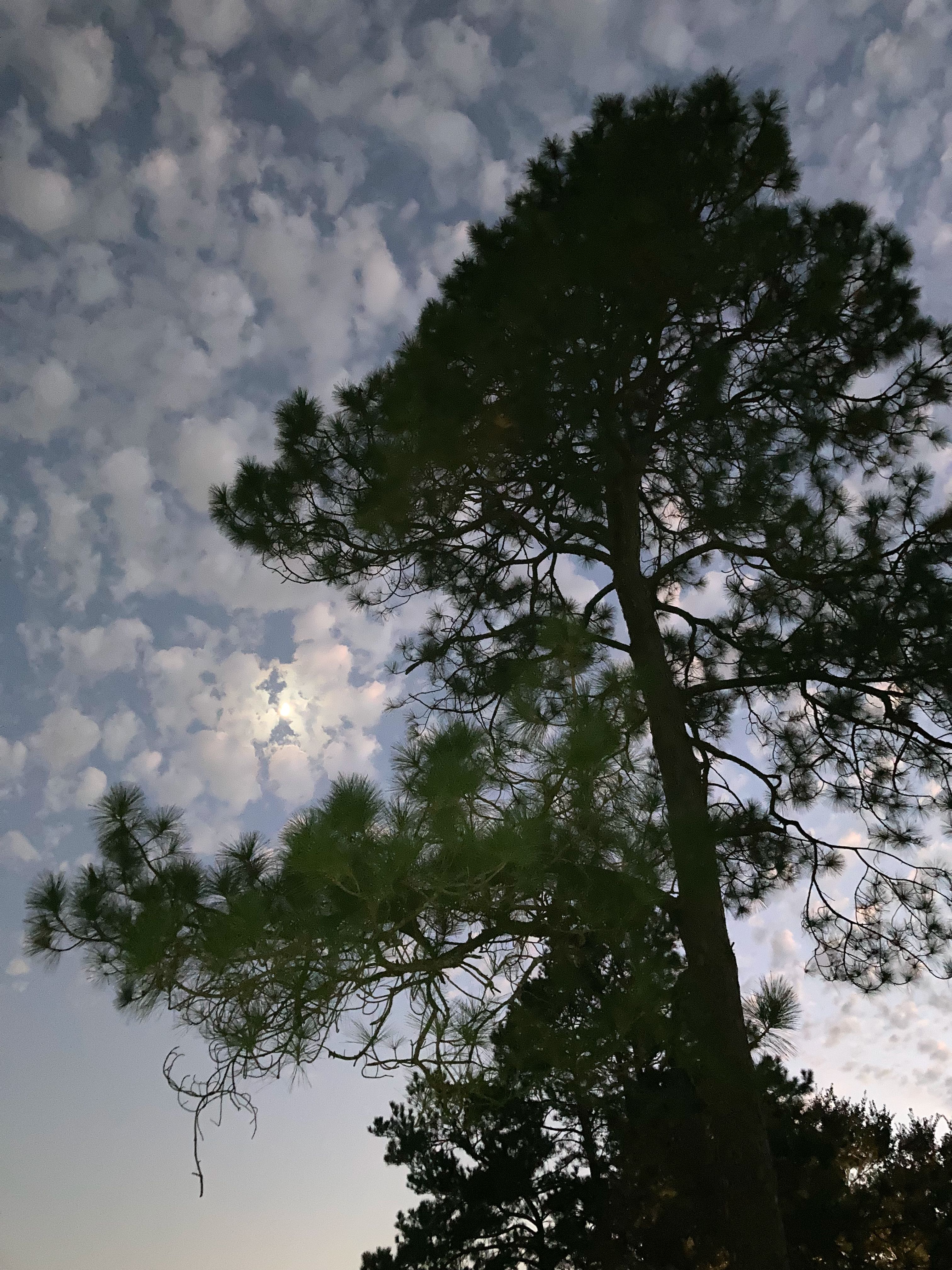
The clouds did not cooperate with my plans to get out my telescope tonight. However, my tree looks like a giant trying to eat the Moon. Happy Halloween!
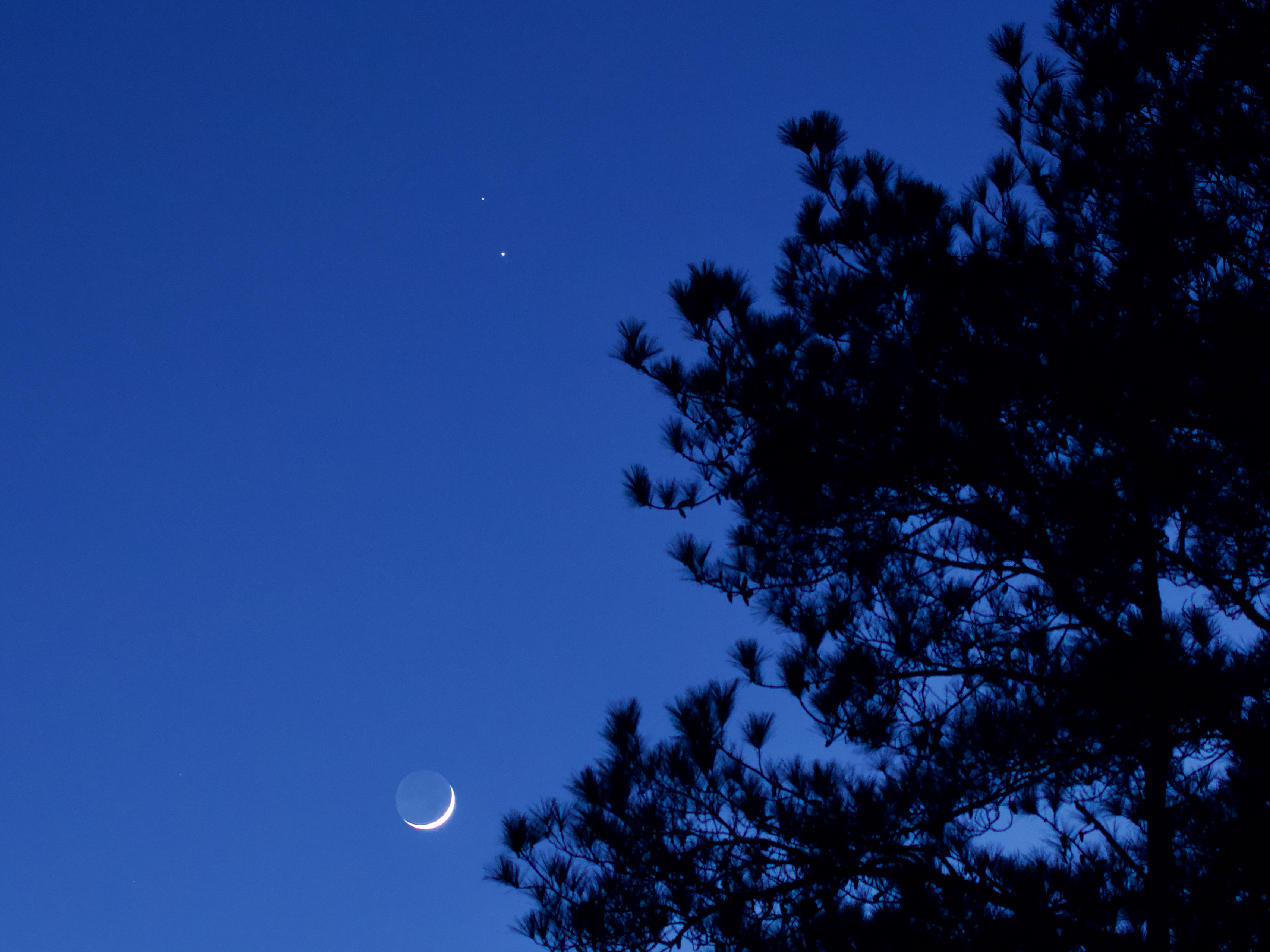
Every cloud-free evening this month, I’ve been outside viewing and taking pictures of Jupiter and Saturn as they’ve gotten closer and closer in the sky. Now I’m working on processing the results. Here the two planets are with the crescent moon.
Camera Geek Info
Canon EOS 60D in manual mode set at f/4, 1/8 second exposure, ISO 2000, custom white balance 3500K
Canon EF 70-300mm f/4-5.6L IS USM lens, set at 70 mm, manual focus
Ever since planting my virus victory veggie garden earlier this month, I have become like a farmer, obsessed with the rain. The forecasters keep saying the rain is coming, and then it doesn’t. The upside of that is: clear skies for astrophotography!
On April 13, I tried to capture a picture of Comet C/2019 Y4 (Atlas), but no joy. It was falling apart and too dim to find from my suburban driveway.
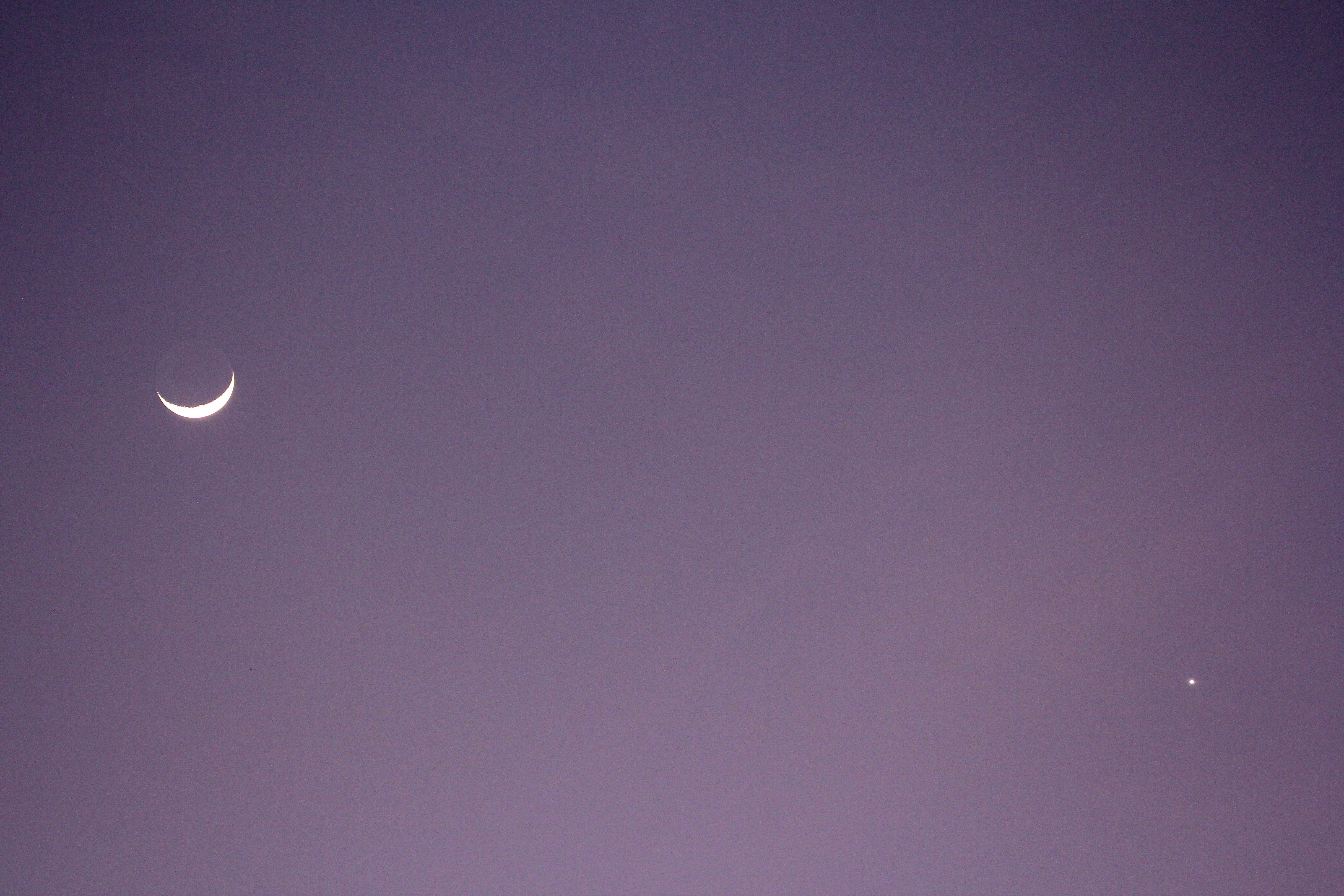
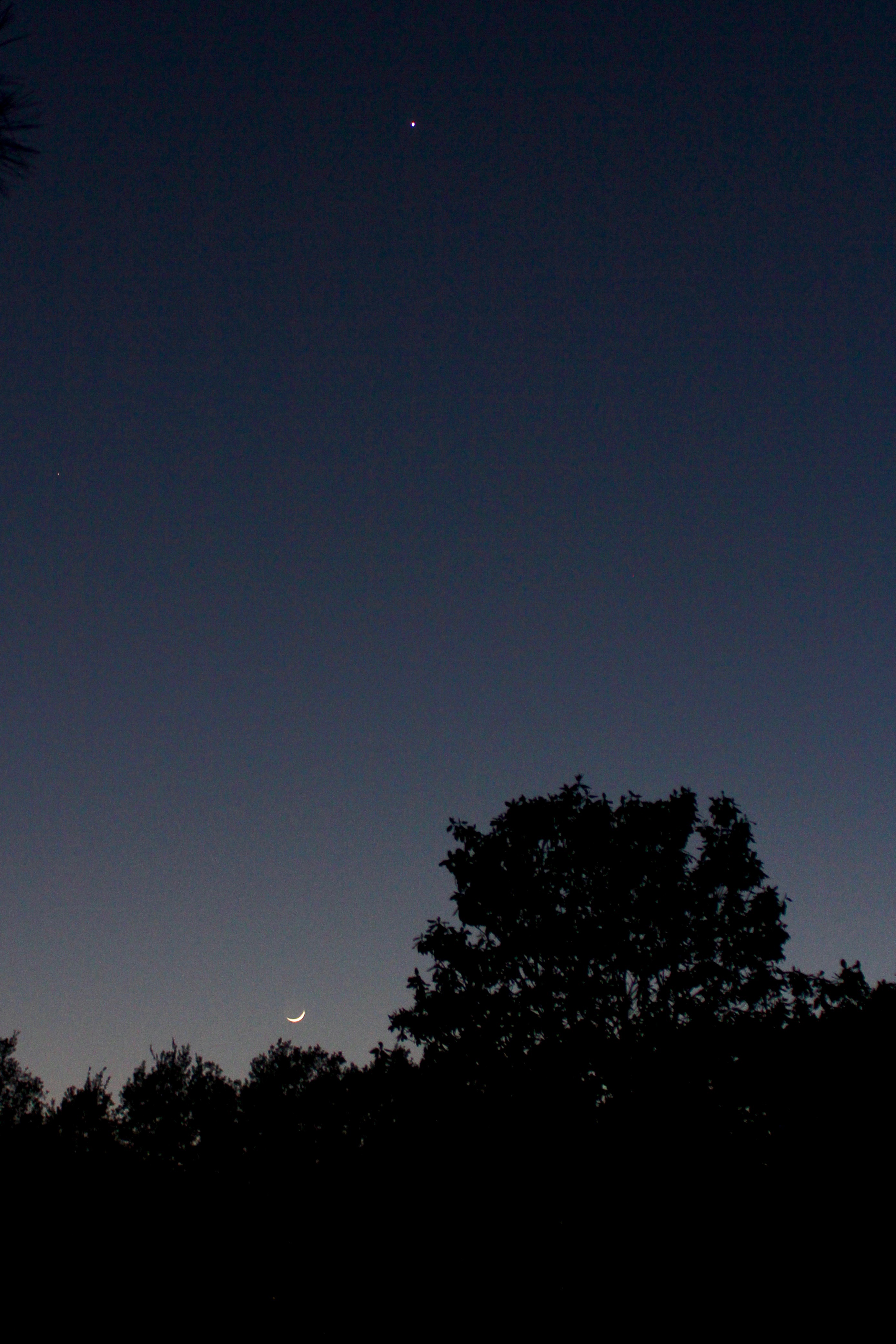
Last night, the Moon and Venus made a lovely combo at sunset. Even with the 300 mm lens on the camera, Venus looks like a bright blob – not circular, but not with any shape. In my husband’s 15×50 Image Stabilized binoculars, it looked the same as with the camera. However, with my 8-inch telescope, it was a beautiful crescent (although much fatter than the moon). It was an interesting demonstration of the benefit of a bigger aperture.
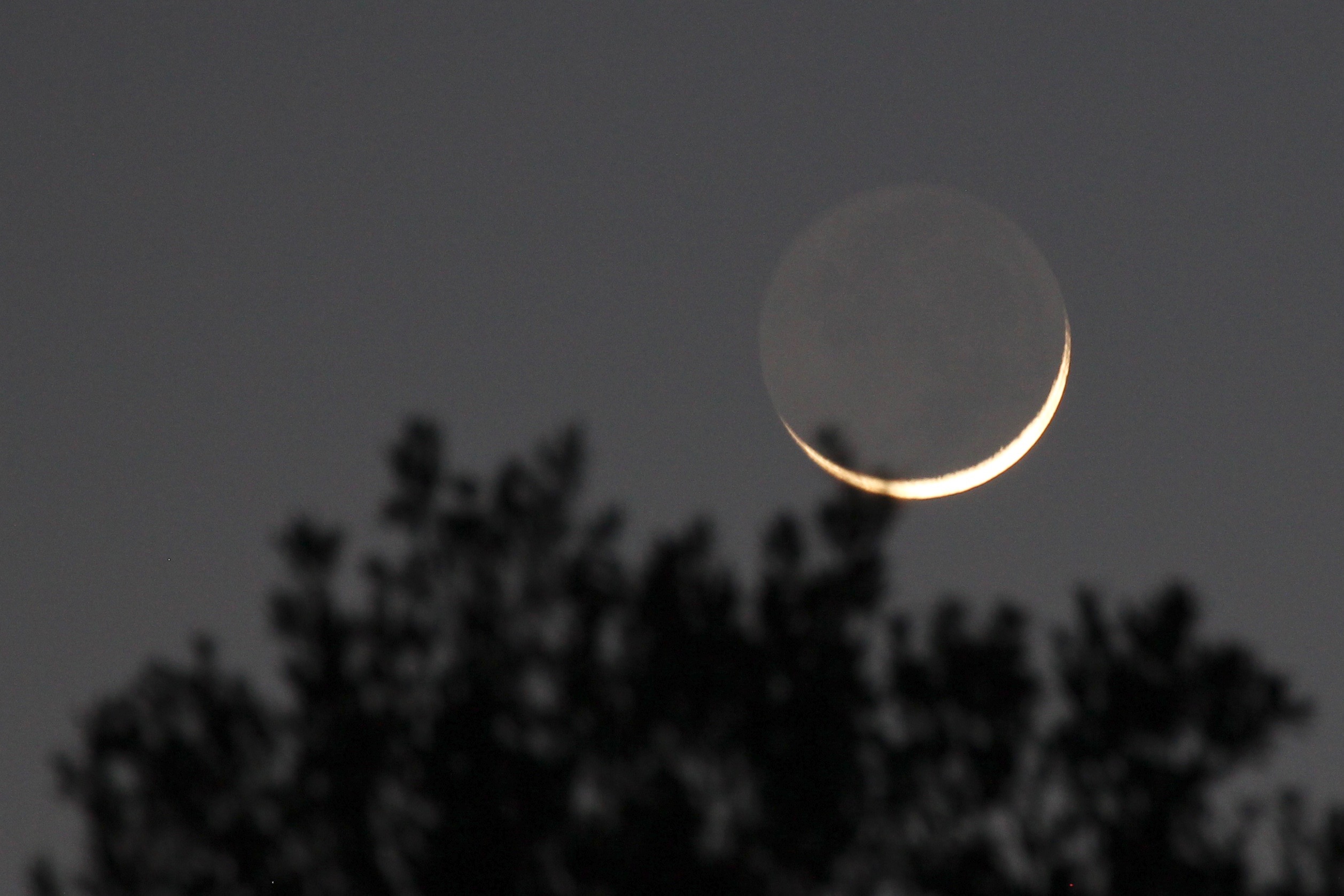
I thought the new Moon setting into the trees was also a lovely sight.
Camera Geek info (Moon and Venus)
Canon EOS 60D in manual mode set at f/2.8, 1/20 second exposure, ISO 500
Sigma 24-70 mm f/2.8 EX lens, set at 32 mm, autofocus
Camera Geek Info (Moon and trees)
Canon EOS 60D in manual mode set at f/5.6, 1/2 second exposure, ISO 500
Canon EF 70-300mm f/4-5.6L IS USM lens, set at 300 mm, autofocus
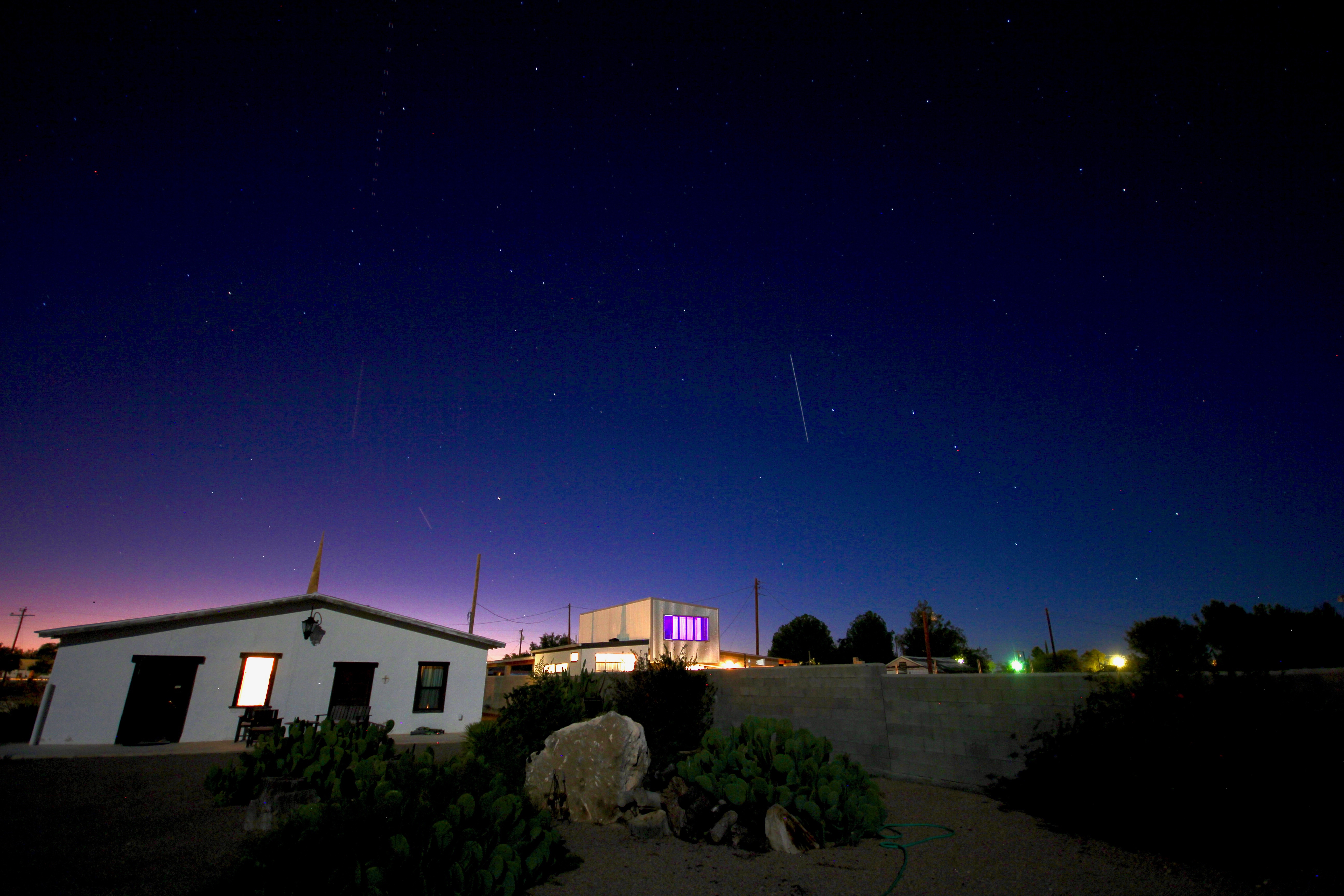
Last month we took a break and returned to Dell City, Texas, where we stayed in a lovely B&B, enjoyed gorgeous sunsets and sunrises over the Guadalupe and Cornudas Mountains, and enjoyed seeing the stars, planets, and the Milky Way.
The picture above shows our B&B with the International Space Station starting an overhead pass (white line in center-right of picture).
Camera geek info:
Canon EOS 60D in manual mode set at f/4, 30.0 second exposure, ISO 100
Sigma 10-20 mm f/4-5.6 lens, set at 10 mm, manual focus
iOptron SkyTracker with ballhead
Tripod
This slideshow requires JavaScript.
The picture above shows our B&B with the Milky Way, Jupiter, and Saturn.
Camera geek info:
Canon EOS 60D in manual mode set at f/4, 30.0 second exposure, ISO 640
Sigma 10-20 mm f/4-5.6 lens, set at 10 mm, manual focus
iOptron SkyTracker with ballhead
Tripod
This slideshow requires JavaScript.
Jupiter and Saturn surround the constellation Sagittarius, home to many beautiful deep sky objects, including a number of Messier objects, the brightest of which are labeled here.
Camera geek info:
Canon EOS 60D in manual mode set at f/4, 15.0 second exposure, ISO 1000
Canon EF 70-300mm f/4-5.6L IS USM lens, set at 70 mm, manual focus
iOptron SkyTracker with ballhead
Tripod
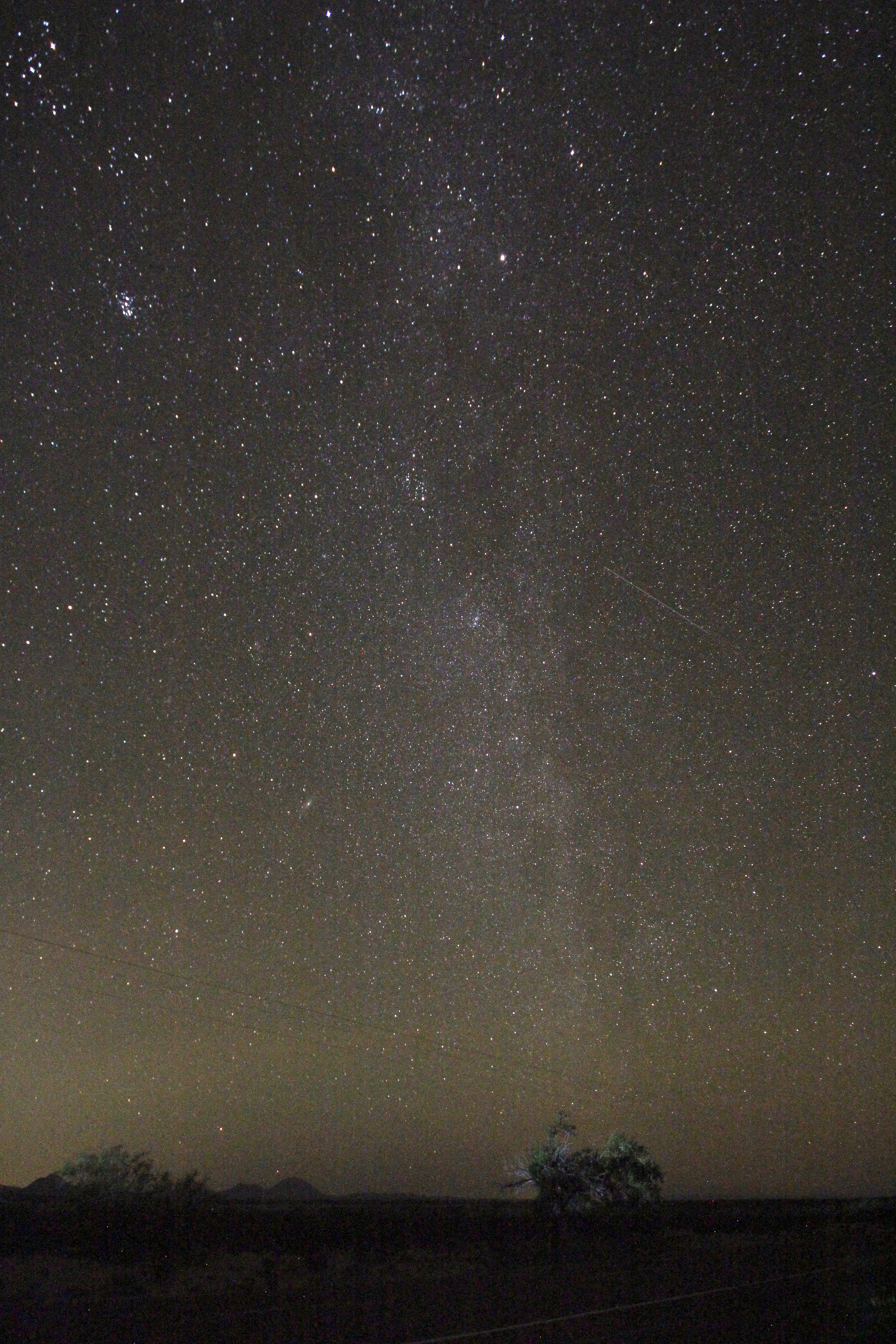
One of the great treats of going somewhere with dark skies is getting to see the Milky Way. We could see it over our B&B, and we also saw it when we drove out to a darker spot to try to spot a comet at sunrise. The comet was too close to the sun to see, but the Milky Way before dawn was beautiful.
Camera geek info:
Canon EOS 60D in manual mode set at f/4, 30.0 second exposure, ISO 4000
Sigma 10-20 mm f/4-5.6 lens, set at 10 mm, manual focus
iOptron SkyTracker with ballhead
Tripod
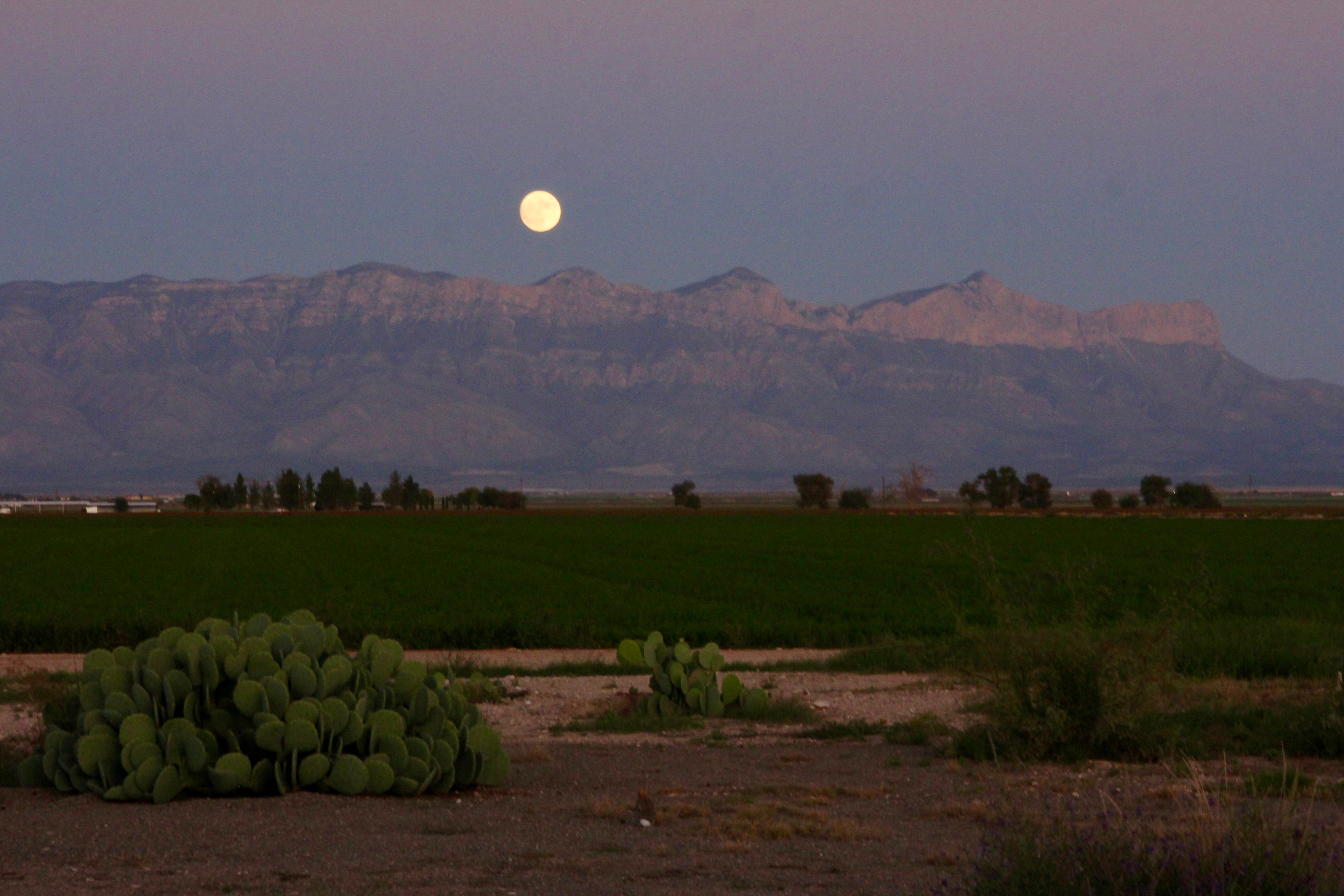
Local wildlife joined me for some of my astrophotography. One night a skunk walked right past me. Another night, a bunny watched the moonrise with me. I didn’t get a picture of the skunk, but the picture above includes the bunny (its tail is the white spot below and just to the right of the moon).
Camera geek info:
Canon EOS 60D in manual mode set at f/11, 1/40 second exposure, ISO 800
Sigma 24-70 mm f/2.8 EX lens, set at 70 mm
Another of the great treats of visiting Dell City is getting to experience sunrises and sunsets that fill the sky. Here are two of my favorite shots from this trip.
Camera geek info (mountains):
Canon EOS 60D in manual mode set at f/6.3, 1/30 second exposure, ISO 800
Sigma 24-70 mm f/2.8 EX lens, set at 45 mm
Camera geek info (church):
Canon EOS 60D in manual mode set at f/6.3, 1/100 second exposure, ISO 800
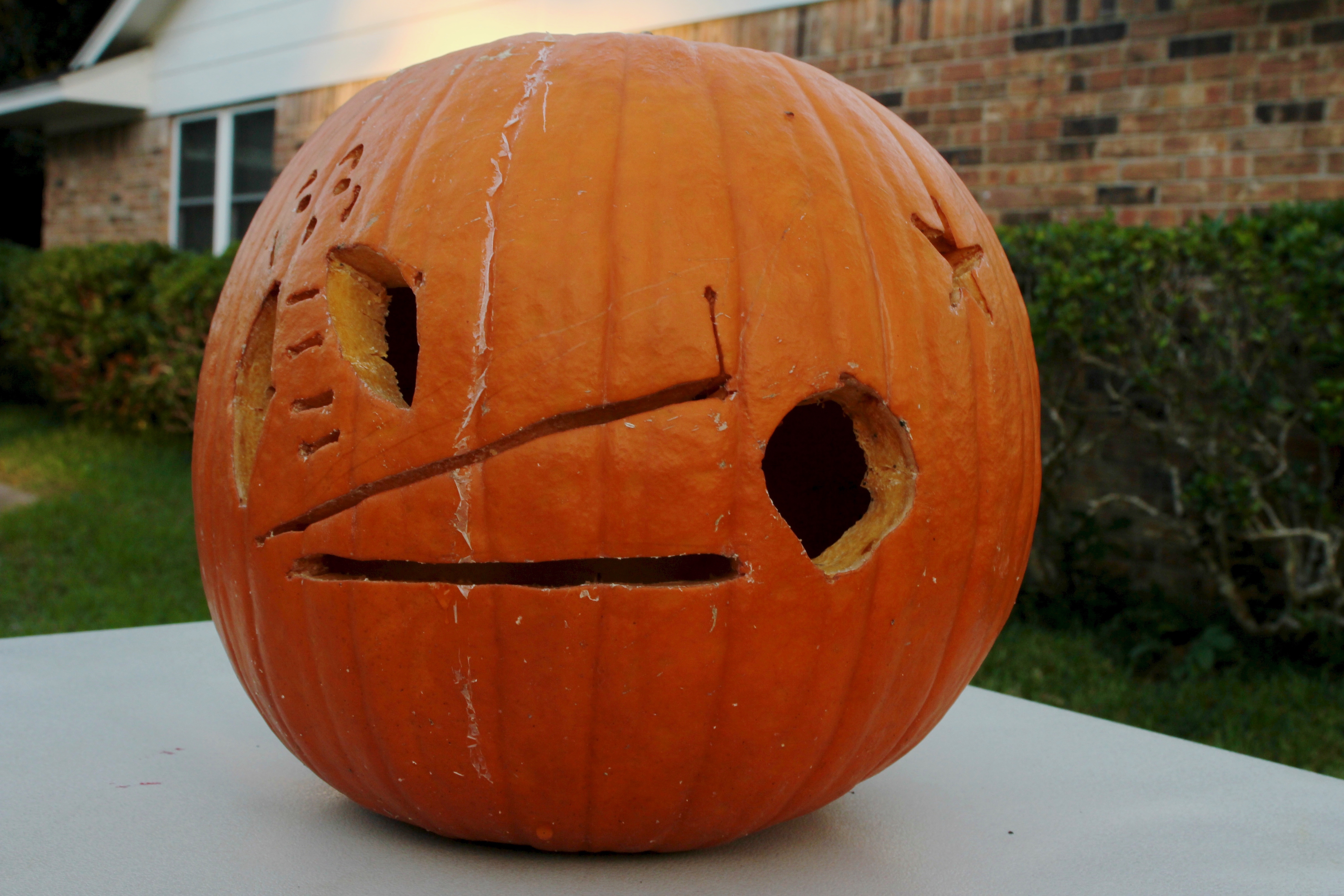
I was hoping we would get a clear night for Halloween, so I carved my pumpkin with an owl sitting on a telescope.
As predicted, the cold front blew through last night, and we got a cold but clear night for Halloween. So I set up my telescope as an extra Halloween visitor treat! Great views of the Moon, Jupiter, and Saturn. Saturn’s rings looked especially great.
I tried taking some pictures through the telescope eyepiece with both my phone and my camera. Neither turned out nearly as good as the view in person. Oddly, the moon picture came out better on the phone, but the Saturn picture came out better with the camera. On the other hand, I could get a much better Moon picture with the camera without the telescope, but haven’t managed to get nearly as good a picture of Saturn with the camera solo.
Camera geek info (Saturn):
Canon EOS 60D in manual mode set at f/2.8, 1/40 second exposure, ISO 4000
Sigma 24-70 mm f/2.8 EX lens, set at 70 mm, manual focus











 Space&Aliens